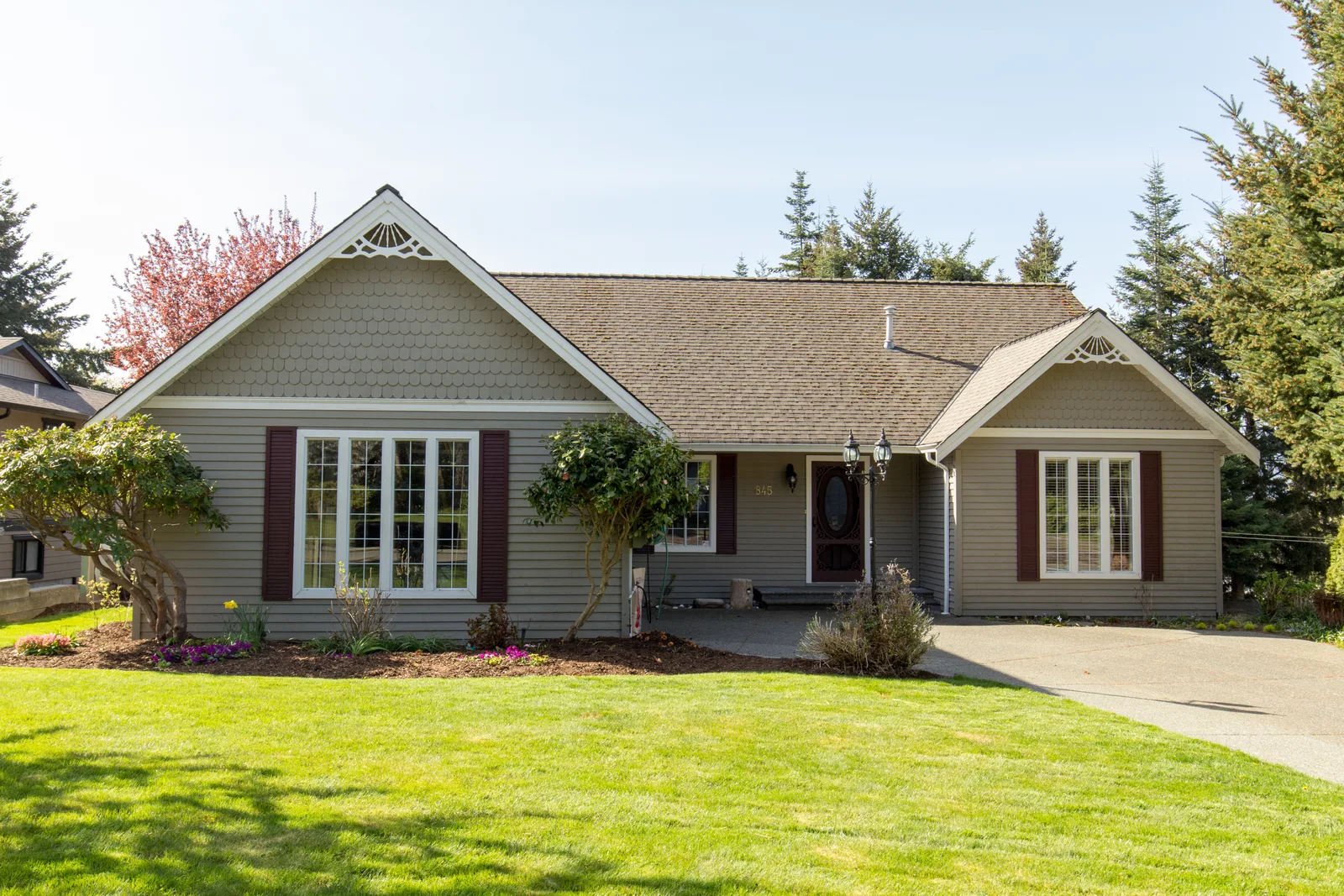
Visible roofing
Shingles or panels shed weather. Underlayment, starter and edge details, ridge pieces and flashing make the covering work as an assembly. Replacing only the surface leaves failed connections behind.
Free roof inspections. Repair and replacement options explained.
A new roof starts below the shingles. Plan the covering, decking, flashing and roof details together with a free inspection in Tuttle.
When roofing is worn across several areas, repairs keep spreading or the existing material cannot accept a sound connection, replacement becomes a useful option. The decision follows the roof condition and remaining repair choices, rather than the age of the house alone.
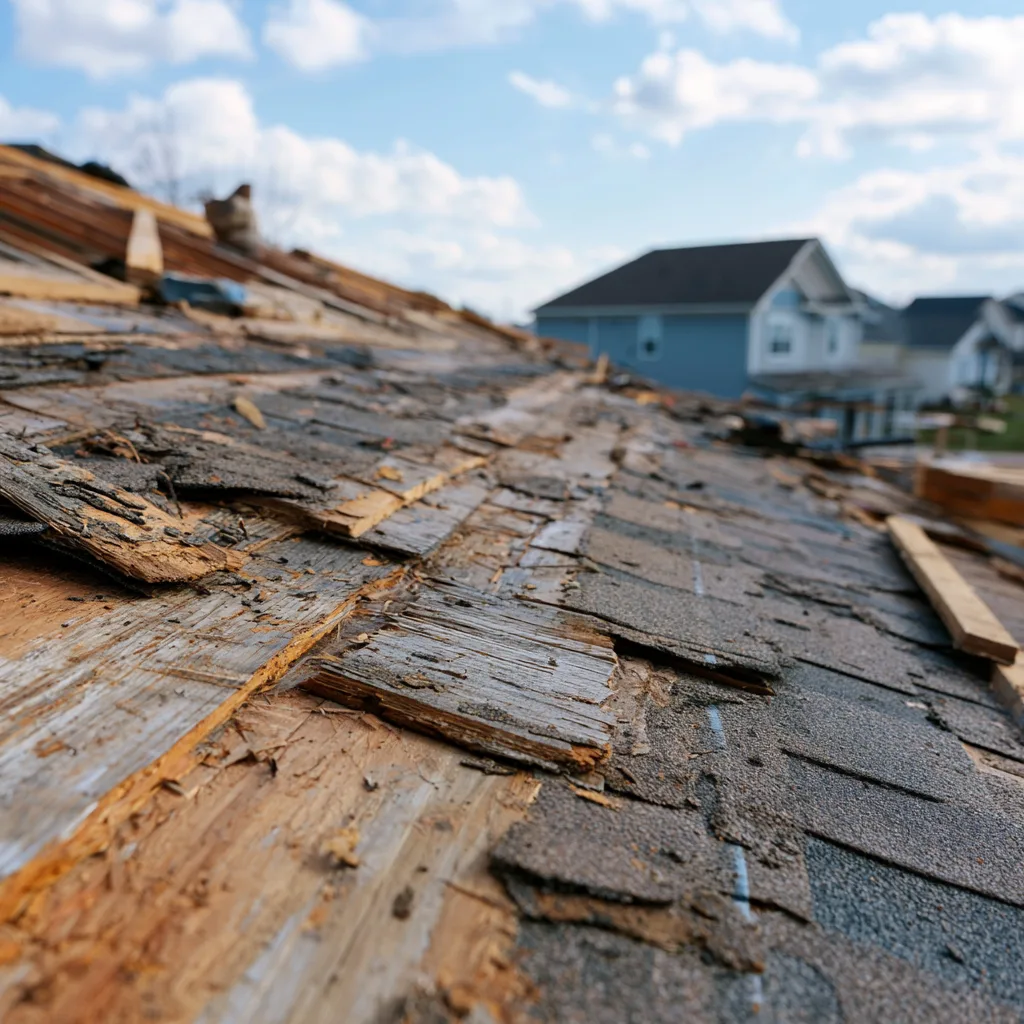
Removing the old covering gives access to the deck. That is the moment to deal with damaged wood, support and attachment before underlayment and new roofing hide them again. A replacement scope also includes how the roof meets walls, edges, vents and other openings.
Shingles or panels shed weather. Underlayment, starter and edge details, ridge pieces and flashing make the covering work as an assembly. Replacing only the surface leaves failed connections behind.
The deck carries fasteners and supports the covering. Soft, deteriorated or delaminated wood needs its own repair. The full extent of concealed damage becomes clearer after removal, so a usable-deck assumption is kept separate from a wood allowance.
A skylight, chimney, siding connection or rooftop equipment can change the work sequence. Structural, electrical and mechanical changes are separate from laying new shingles.
Architectural shingles offer a layered profile; other asphalt products change appearance and tested performance. A metal system changes the panel layout, attachment and movement details. A low-slope part of the building needs a roof assembly suited to that slope.
The material choice follows the support, pitch and connections. Product warranties concern material performance under their terms; workmanship coverage concerns installation under its own terms. Neither is a substitute for a correctly detailed roof.
The inspection and measured roof establish the intended covering, work areas and connected details. Material handling and protection of the property are part of the work plan.
Old covering is removed to reveal the deck. Damaged support and other concealed conditions are addressed before they are covered. Required inspection points affect the sequence.
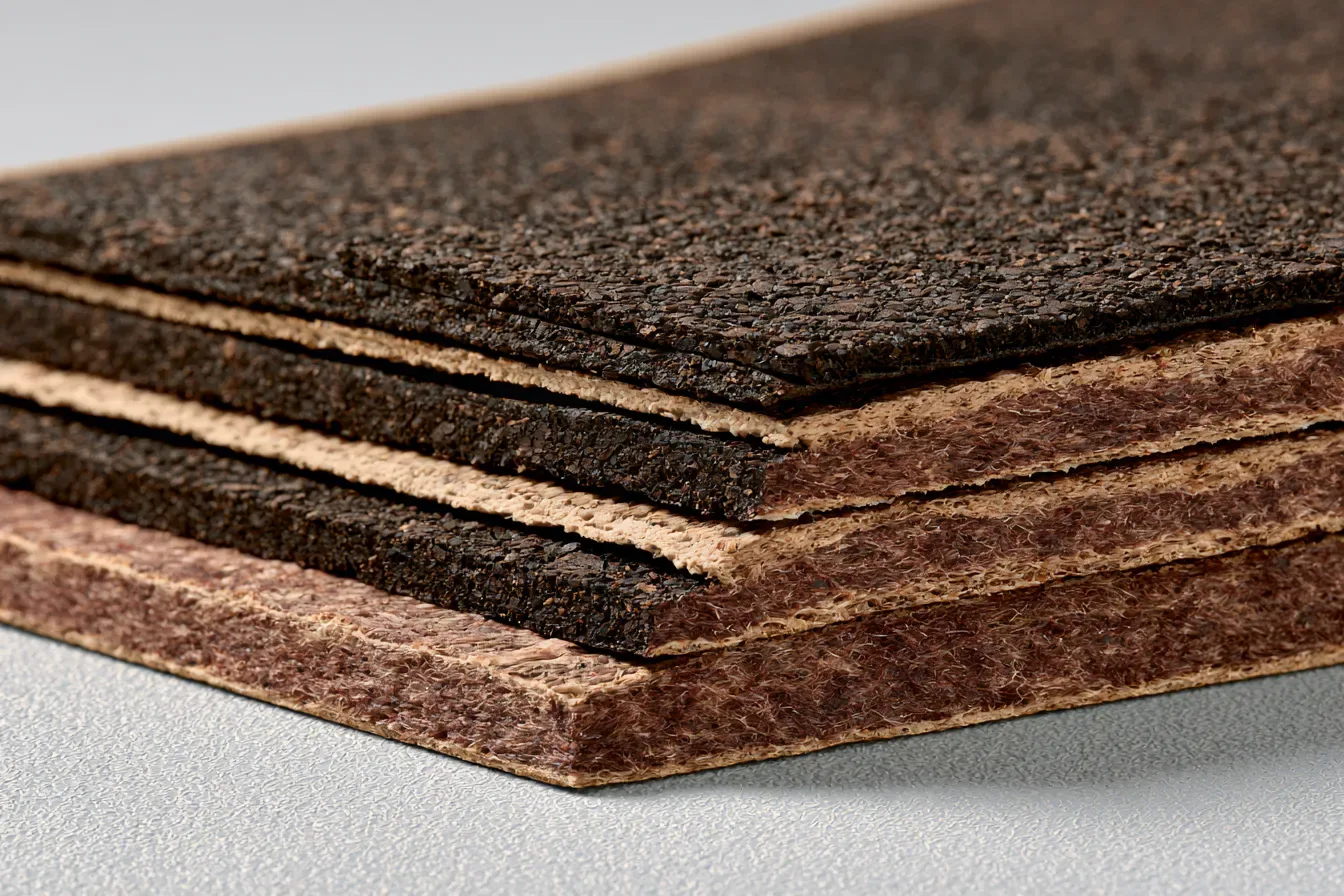
Underlayment, edges, flashings, covering and ventilation details work together. The finished scope includes those connections and the removal and cleanup associated with the project.
An Oklahoma / OKC-area architectural-asphalt example is $4.50 to $7.50 per measured roof-surface square foot for 1,500 to 3,000 sq. ft., assuming normal access, moderate complexity, one layer and usable deck. Damaged wood, extra layers and separate trades add to that scope.
| Budget component | What changes it |
|---|---|
| Surface area and complexity | Actual roof surface, slope, valleys, wall transitions and access determine quantities and effort. |
| Removal | One existing layer is different from multiple layers or an unusual old assembly. |
| Decking | The extent and type of damaged wood changes the allowance below the new surface. |
| System and connected work | Shingle selection, flashing, ventilation, skylights and separate trades change the final scope. |
A recover adds covering without exposing the deck, while tear-off allows the deck and hidden damage to be assessed. Existing condition, product requirements and the applicable rules determine what is allowed. The project needs that classification resolved before a recover is chosen.
Only the actual assessment and exposed condition establish the required wood work. Usable existing decking is different from damaged or unsuitable support. A complete replacement of all wood is not assumed.
Yes. Reroofing exposes the surrounding roofing and flashing, so the unit condition and its roof-specific flashing can be considered at the same time. Unit replacement remains a separate scope decision.
Bring the replacement question to a roof walk. We can talk through the covering, underlying support and choices that change the work.