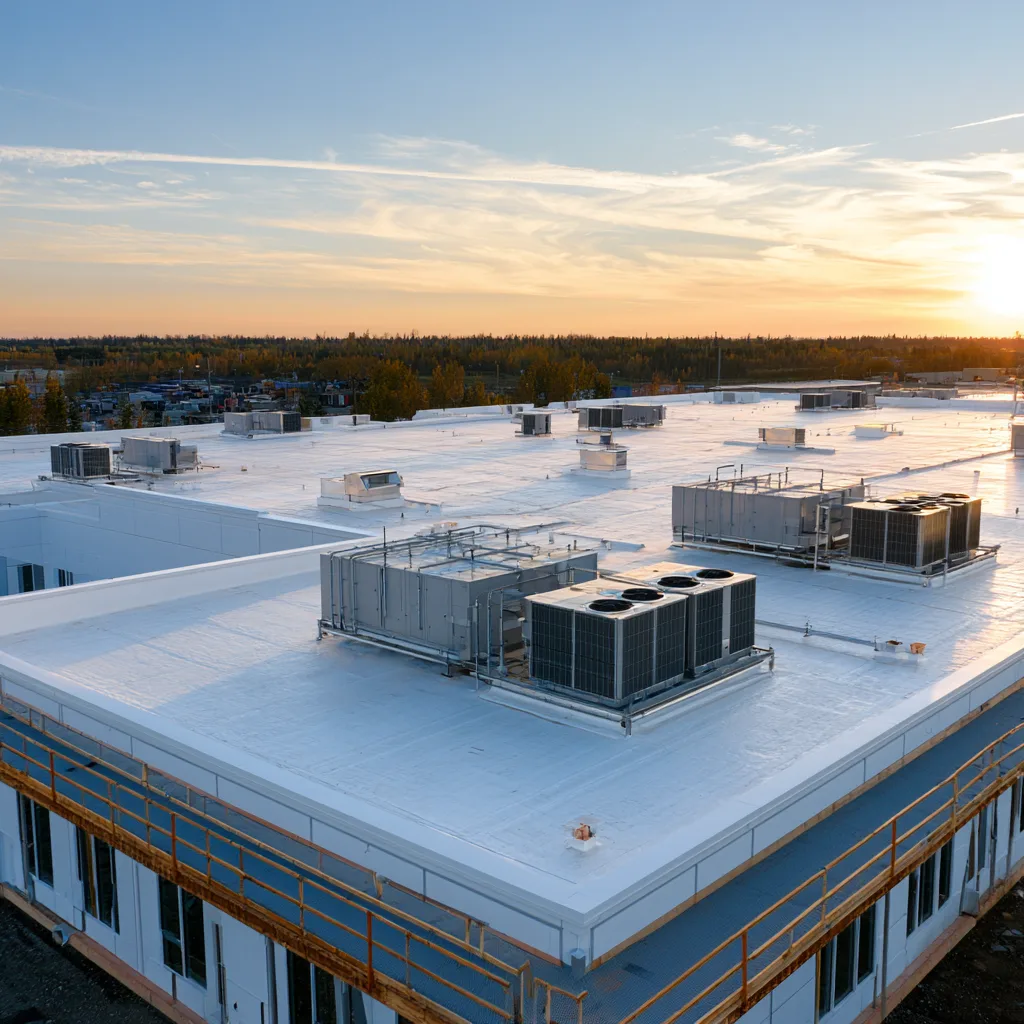
An open connection
A puncture, seam or flashing defect can provide the water entry. The repair needs compatible material and a sound area around it to create a lasting connection.
Free roof inspections. Repair and replacement options explained.
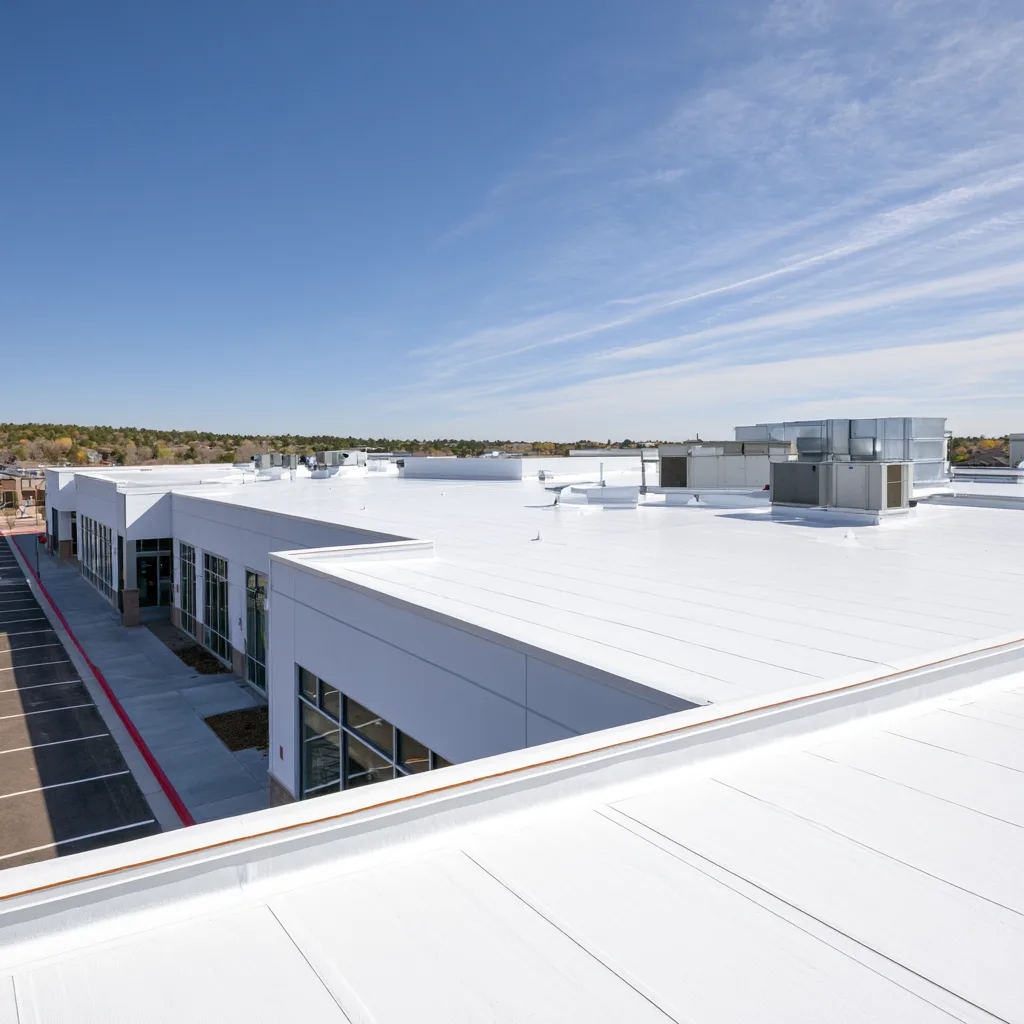
Water entry, drainage and hidden moisture determine whether a low-slope roof needs local repair, restoration or replacement in Tuttle.
A flat-looking roof still needs a path for water to reach drains, scuppers or gutters. A leak at a curb or seam is one problem; water that remains because of a low area or blocked outlet is another. Both need attention when they affect the roof’s performance.
We consider the membrane field, seams, penetrations and drainage alongside the layers below. A local opening in a dry sound assembly can suit repair. Suspected wet insulation or deteriorated support changes the extent of investigation and work.
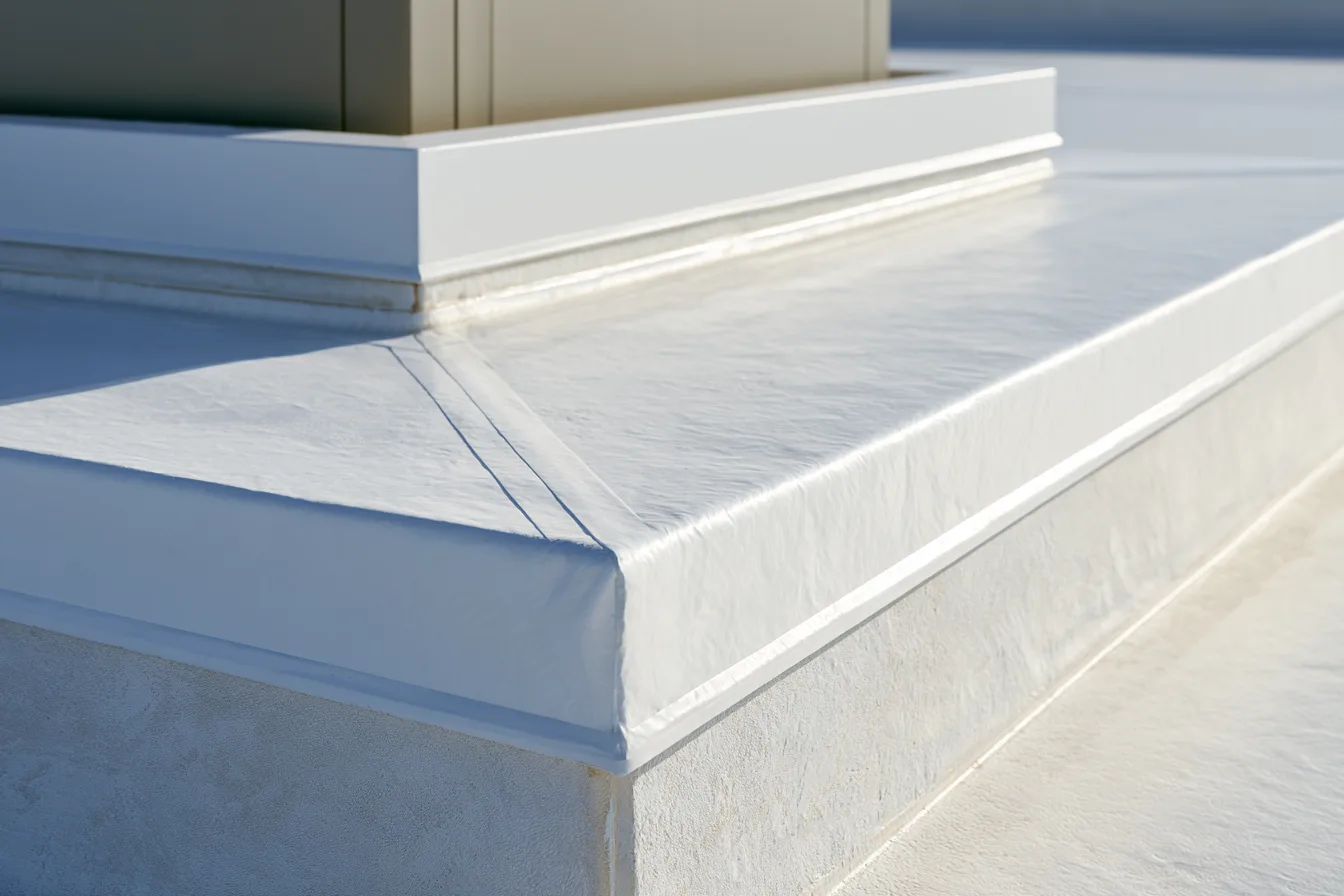
A puncture, seam or flashing defect can provide the water entry. The repair needs compatible material and a sound area around it to create a lasting connection.
Drainage depends on the roof geometry and outlets. Repairing a seam does not change a low spot. Blocked drainage and roof-shape corrections are assessed as distinct work.
Water can move through insulation or along the deck. Sampling or other investigation can be needed to define affected layers beyond what is visible at the leak.
A limited defect in otherwise serviceable material can be repaired. When deterioration is widespread, wet layers extend beyond a local area or recurring leaks reflect a broader assembly problem, partial or full replacement becomes the more useful discussion.
Replacement can address insulation and drainage as well as the visible surface. Restoration is reserved for a compatible roof that can be made dry, sound and properly prepared. New coating over wet material leaves the underlying problem in place.
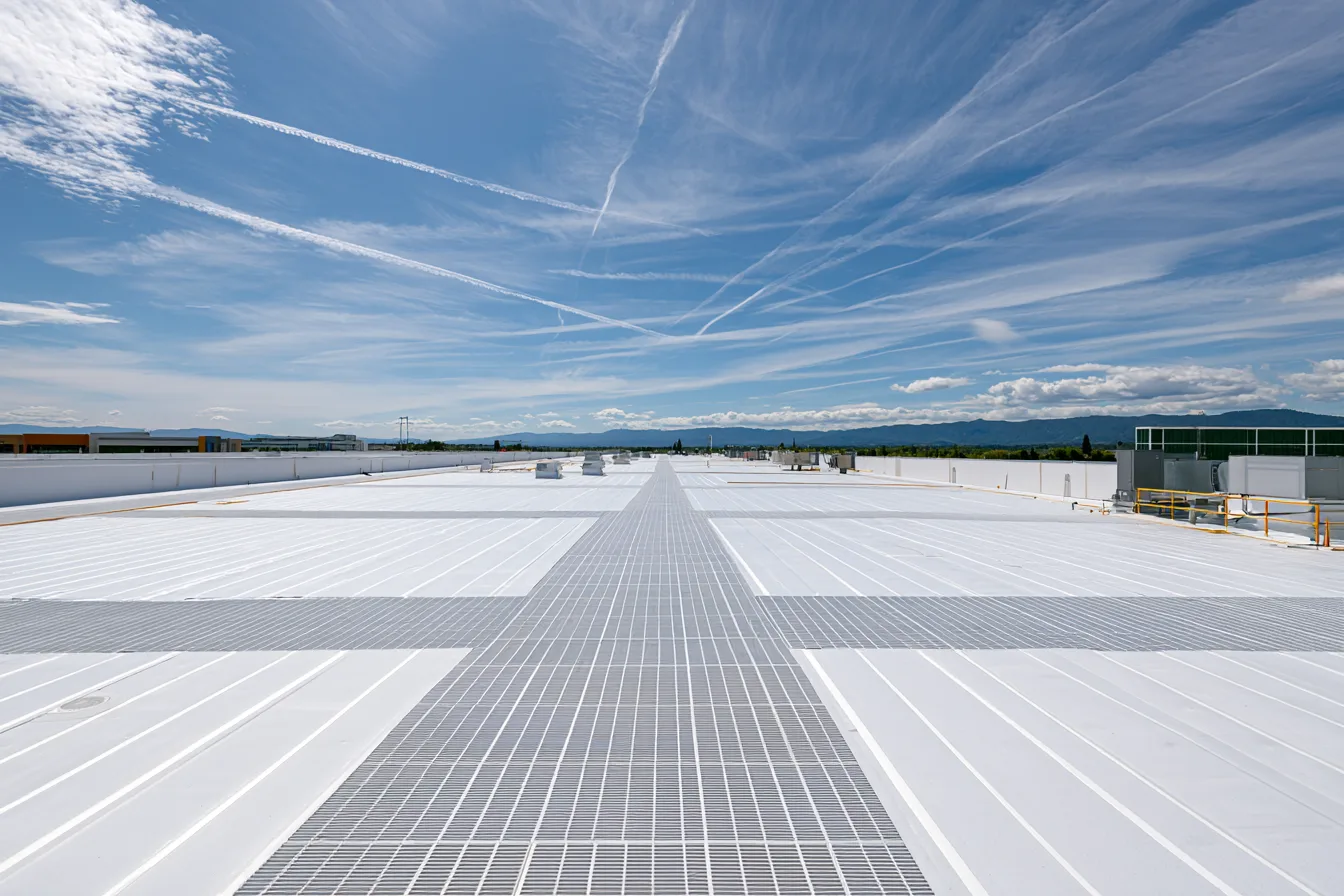
The leak location and the activity below it help define protection and work-zone needs.
Equipment service routes, entrances, loading areas and material handling shape the project sequence.
Removal boundaries, compatible details, drainage and any equipment trades are considered together.
A house-shingle rate does not price a commercial low-slope project. The roof system and measured scope establish the budget.
| Scope factor | What changes the project |
|---|---|
| Existing assembly | Membrane type, attachment, layers and condition determine the repair and removal work. |
| Moisture extent | Wet insulation and damaged decking change the replacement boundary and waste volume. |
| Drainage | Outlets, tapered insulation or other slope corrections are separate physical work. |
| Building use | Access, staging and occupied spaces affect how the work can proceed. |
Yes, when a compatible repair can connect to sound dry material and the affected layers are limited. The visible leak alone does not establish that boundary.
A coating renews an eligible surface. It does not reshape the roof or clear a blocked outlet. Drainage corrections need their own assessment and scope.
Wet or damaged layers need to be identified and addressed. Covering them with new surface material does not restore the underlying assembly.
Tell us where the leak is affecting operations and what you know about the existing roof. Start with a free roof inspection.