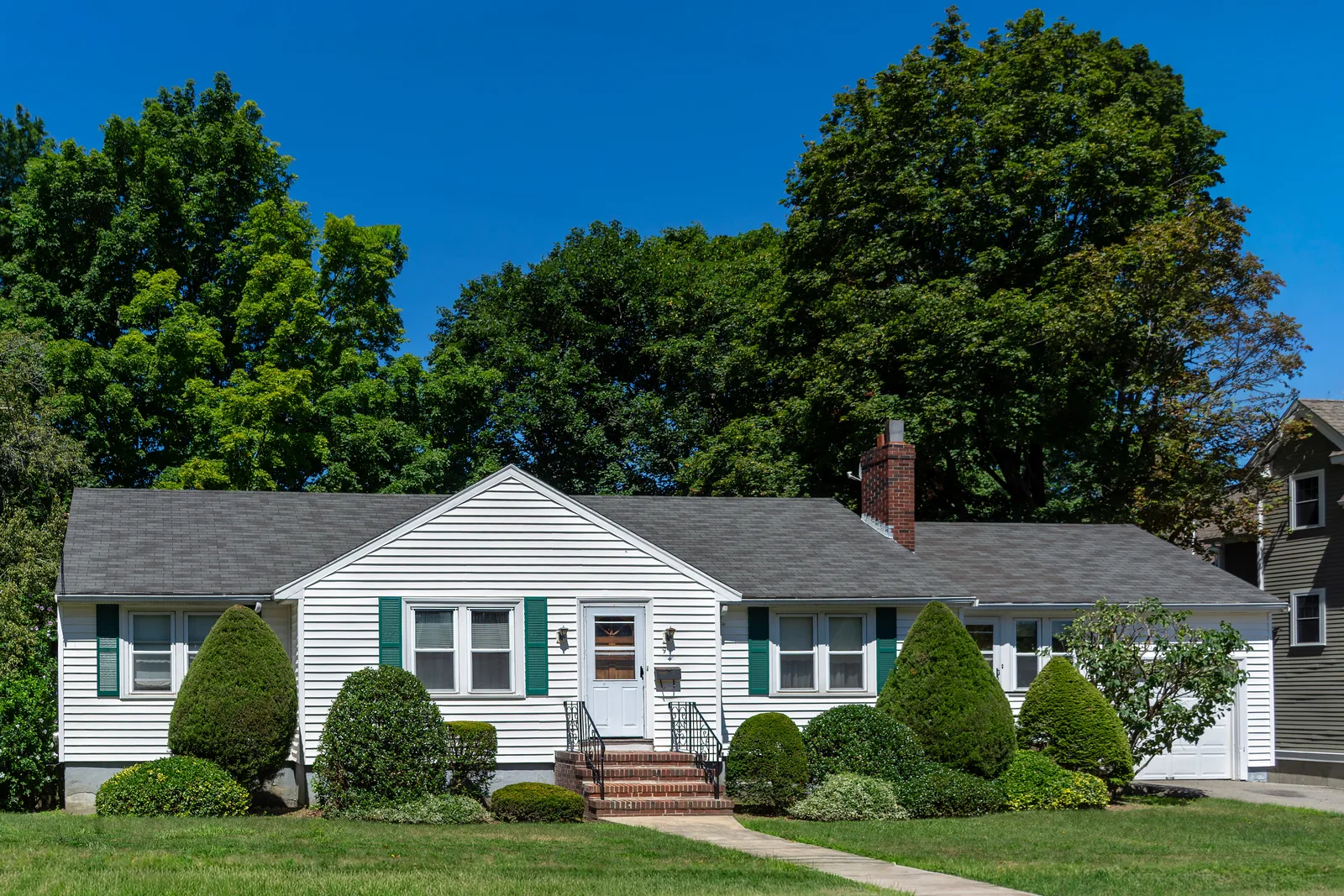
Standing seam
Raised seams connect panels while the attachment is concealed beneath the system. Clip and seam details accommodate the system’s movement. Panel ends, ridge, eaves and penetrations still need their own designed connections.
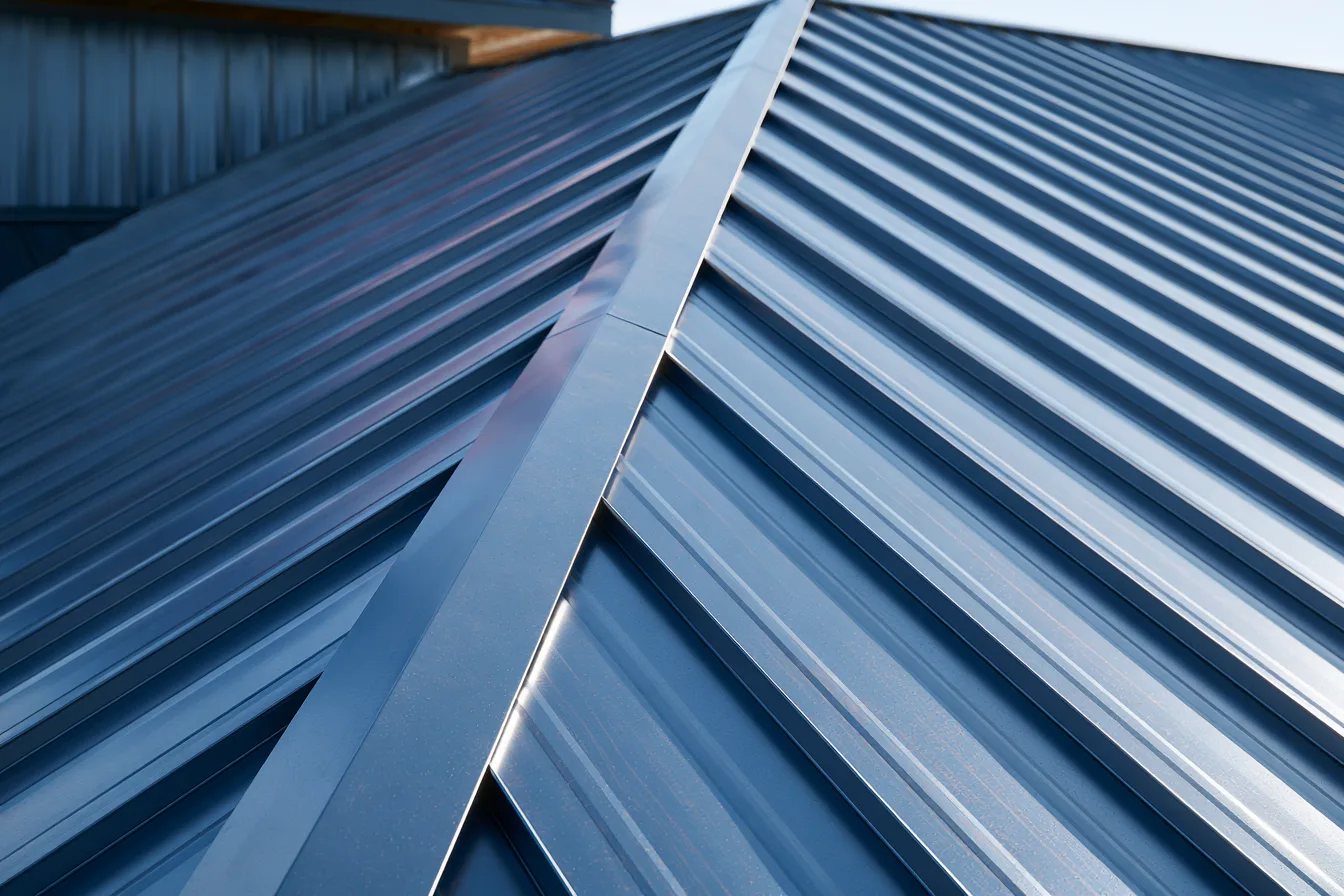
Free roof inspections. Repair and replacement options explained.
A metal roof needs the right panel, attachment and flashing for the building. Consider the whole assembly for a house or separate shop in Tuttle.
A house and a shop can both use metal roofing, but the right system is not established by the building label. Roof slope, existing support, panel layout, penetrations and the intended use all affect the choice. A metal roof over an open shop differs from a roof over a conditioned living space.
We look at the existing assembly and what a repair or material change involves. Panels need support and attachments suited to the system, with properly connected edges and flashings. A new metal surface does not correct damaged decking below it.
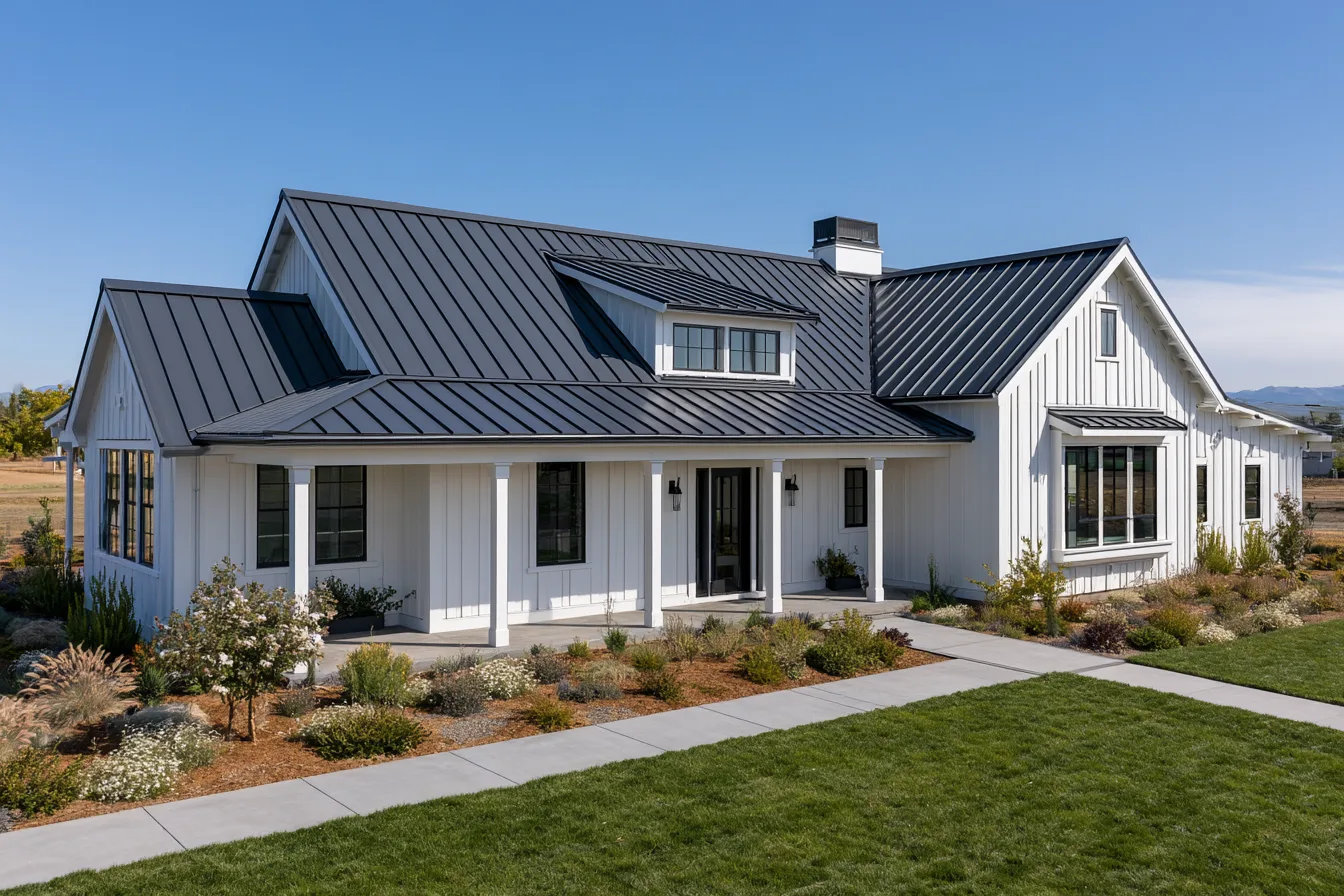
Raised seams connect panels while the attachment is concealed beneath the system. Clip and seam details accommodate the system’s movement. Panel ends, ridge, eaves and penetrations still need their own designed connections.
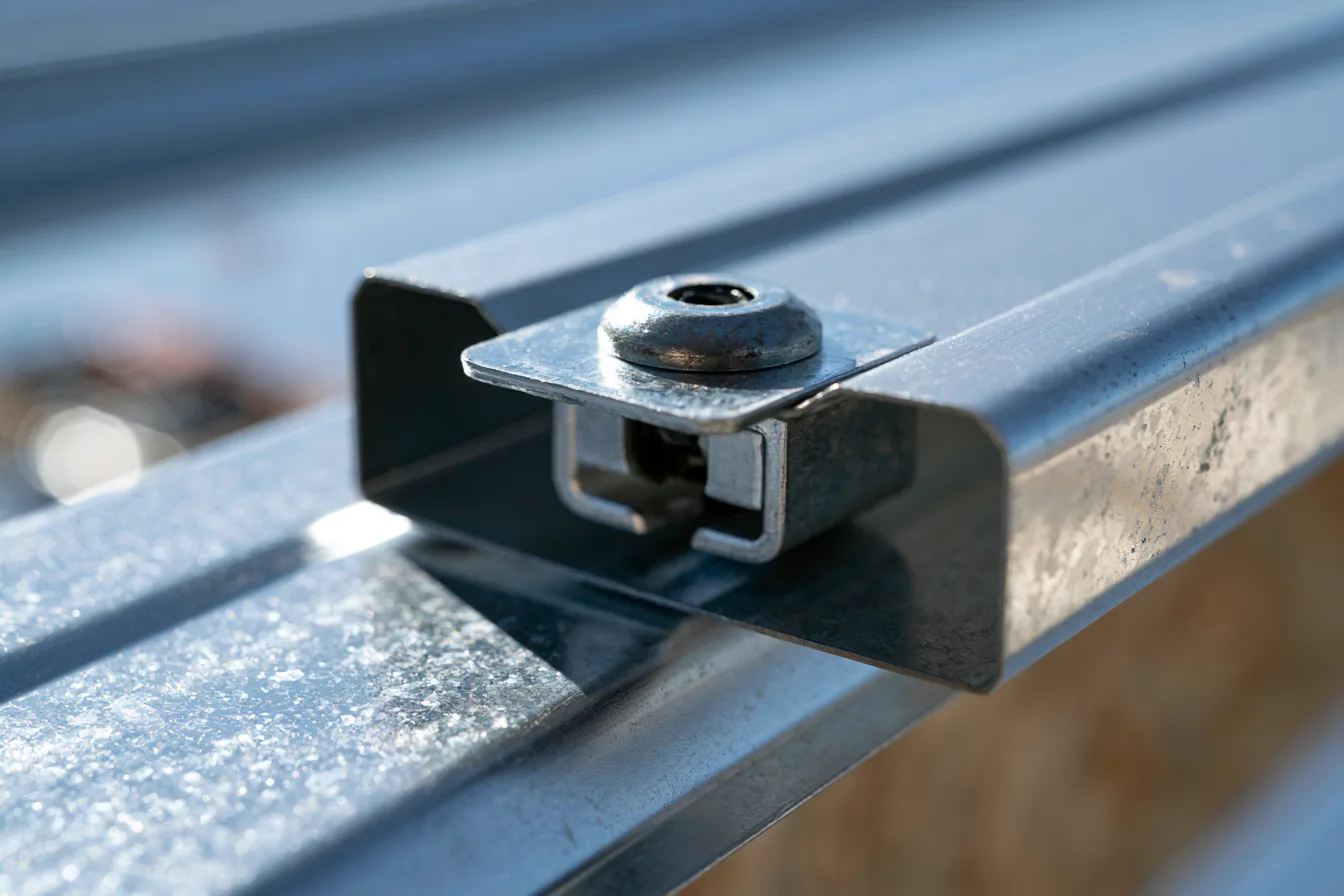
Fasteners pass through the panels at specified locations and use a sealing detail. Fastener condition, washers, laps and attachment to the support matter to repair and maintenance. A loose connection needs its cause addressed.
Switching from shingles to metal changes the attachment and flashing plan. Slope suitability, support and the way condensation and ventilation are managed need to be considered before choosing the panel.
Metal expands and contracts with temperature. The selected attachment, panel joints and trim need to allow the system to work as intended. A repair that pins a moving detail in the wrong way can transfer stress to another connection.
Water still follows the roof shape. Valleys, wall intersections, roof openings and panel terminations need flashings that integrate with the panel system. Sealant has a role in specified details, but it is not a substitute for a sound connection.
Panel profile, metal specification, finish, attachment and roof shape determine the system. A standing-seam project is not priced as an exposed-fastener patch.
Removal, deck repairs, underlayment and any structural changes affect the work below the panel.
Custom trim, penetrations, valleys, access and connected gutter or equipment work change the completed scope.
Yes. An exposed-fastener system relies on correct placement, attachment and sealing. Fastener movement, damaged washers or unsound support can affect the connection. The actual panel system determines the repair.
No. Standing seam uses long connected panels with raised seams. Metal shingles or tile-shaped products are different systems with different joints and installation details.
Yes. Include both buildings in the request. Each roof is considered for its own system, slope, support and use.
Tell us whether the metal roof is on the house, shop or commercial building and what you want to change or repair.