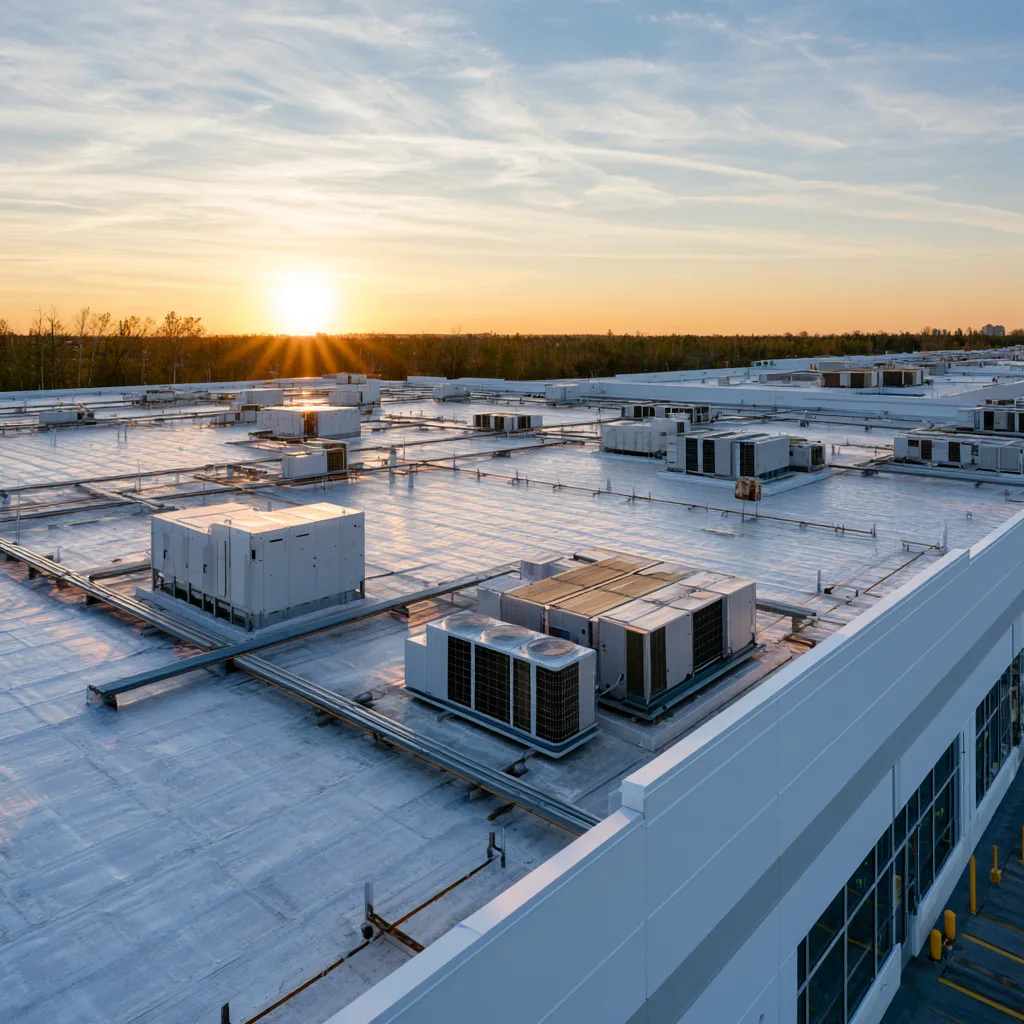
Localized repair
A defined seam, flashing or puncture defect in an otherwise sound assembly can suit repair. Compatible material and dry, stable support are essential. Recurring leaks in different locations call for a wider assessment.
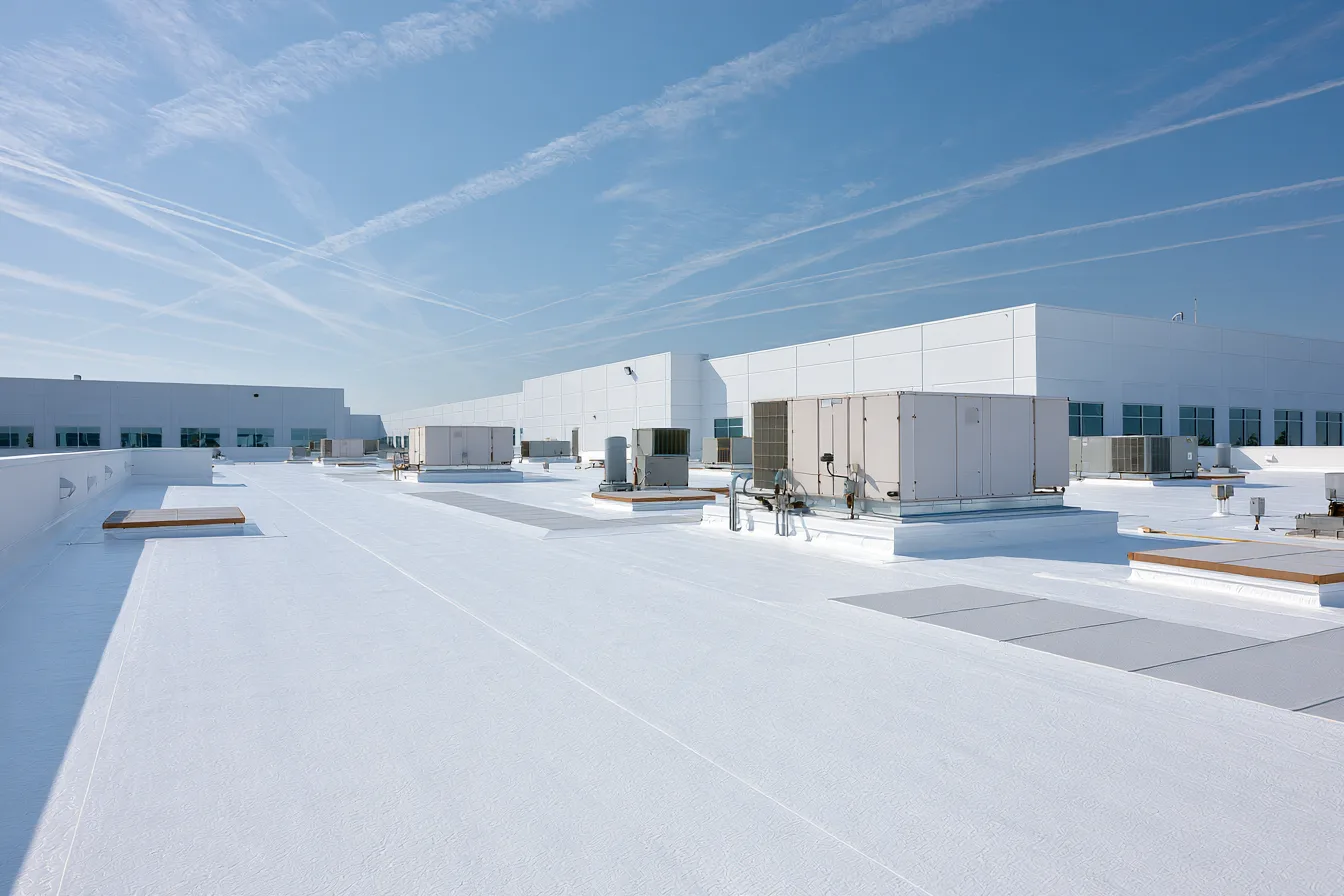
Free roof inspections. Repair and replacement options explained.
Keep the roof decision connected to the building: water entry, roof system, drainage, hidden moisture and the way the property operates.
A recurring leak above a tenant space, stockroom or work area needs more than another surface patch. We look at the membrane field and the details that interrupt it: seams, equipment curbs, drains, edges and penetrations. The condition of insulation and decking below the surface changes what can last.
The building use matters too. Rooftop service paths, air intakes, customer entrances, loading areas and material storage affect how roofing work is planned. A roof project should address those needs alongside the physical repair.
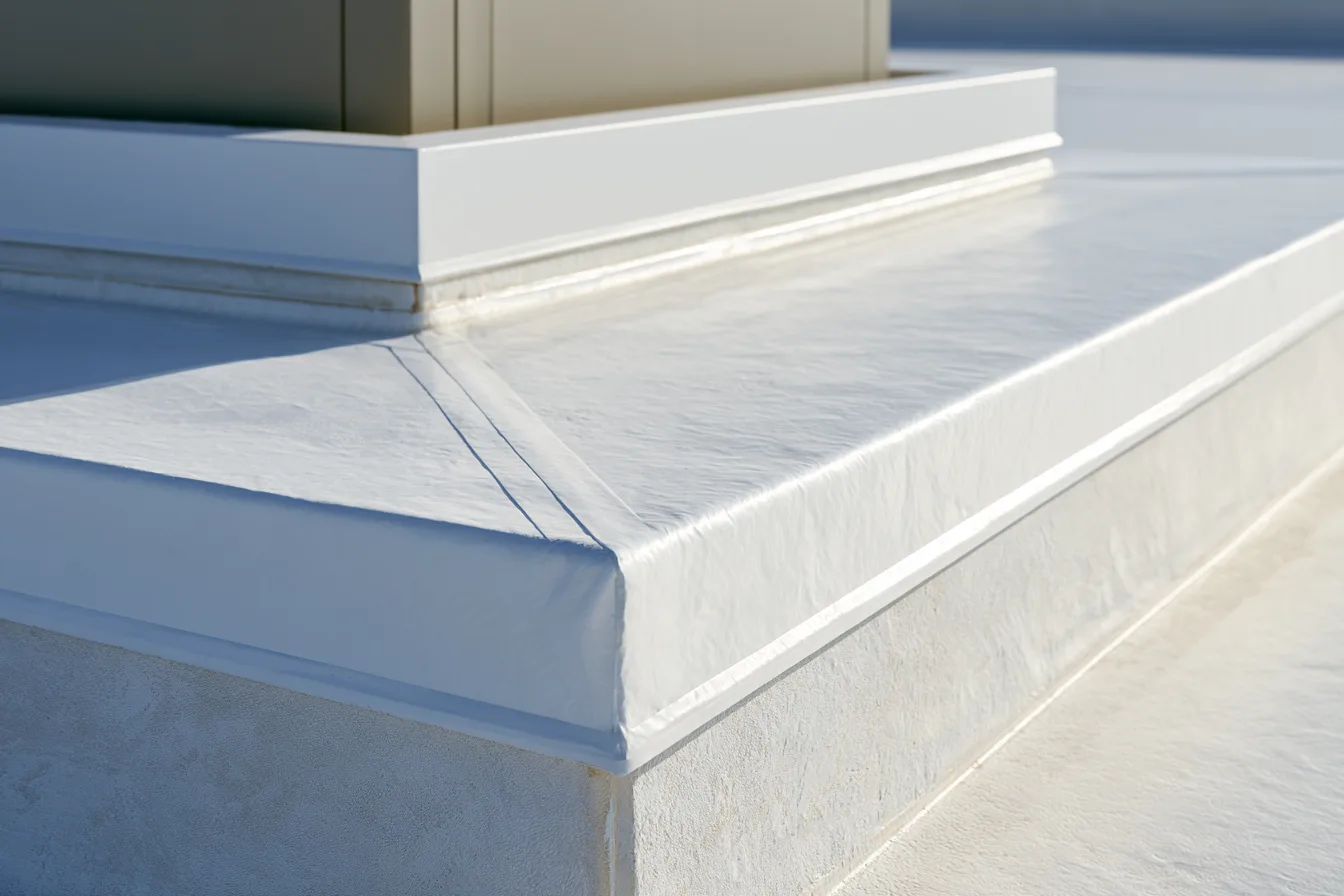
A defined seam, flashing or puncture defect in an otherwise sound assembly can suit repair. Compatible material and dry, stable support are essential. Recurring leaks in different locations call for a wider assessment.
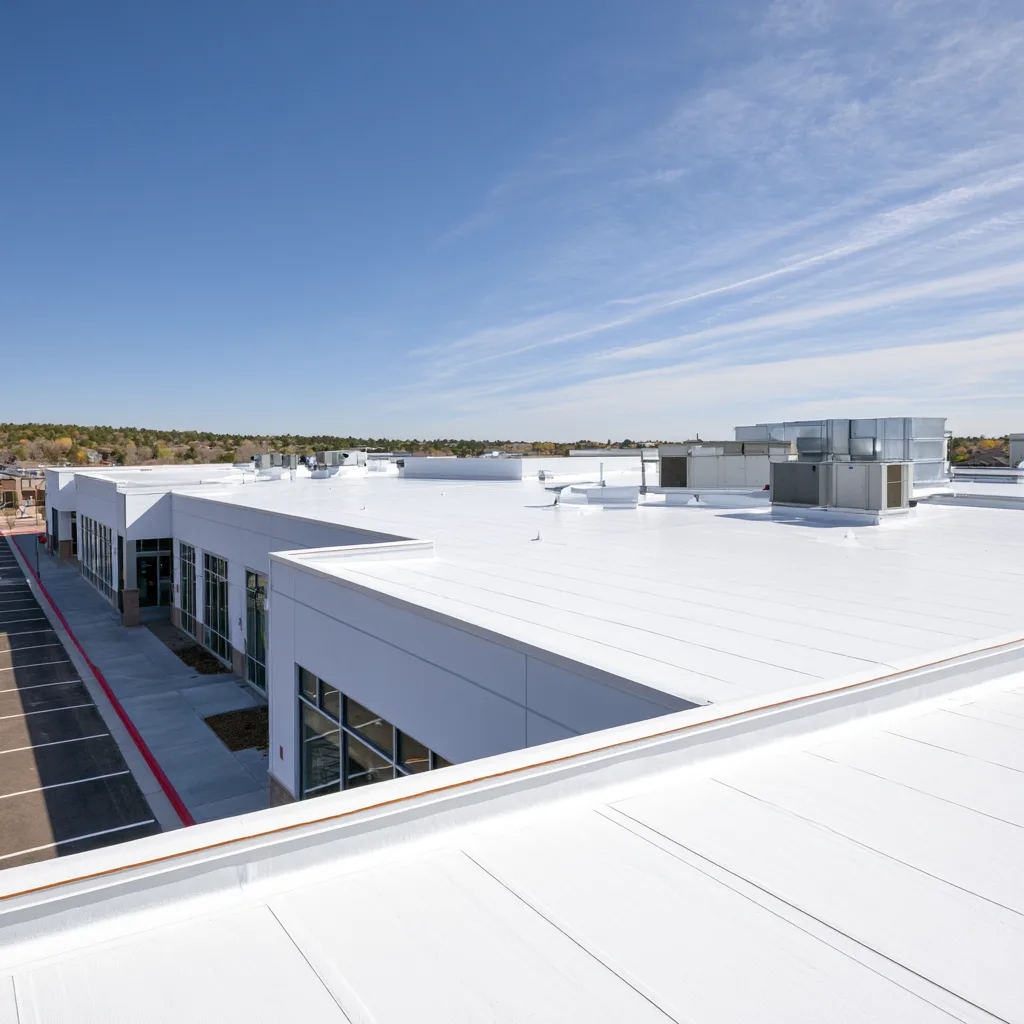
A coating can restore an eligible compatible surface after defects are repaired and the roof is properly prepared. Wet insulation, unsound decking or unresolved drainage are reasons to change the approach before coating.
Replacement addresses damaged layers and broader system deterioration. The scope can include insulation, attachment and drainage corrections, with the affected areas established from the actual roof assessment.
Water entry, drainage, wet layers and the repair boundary.
Explore Flat Roof Repair and Replacement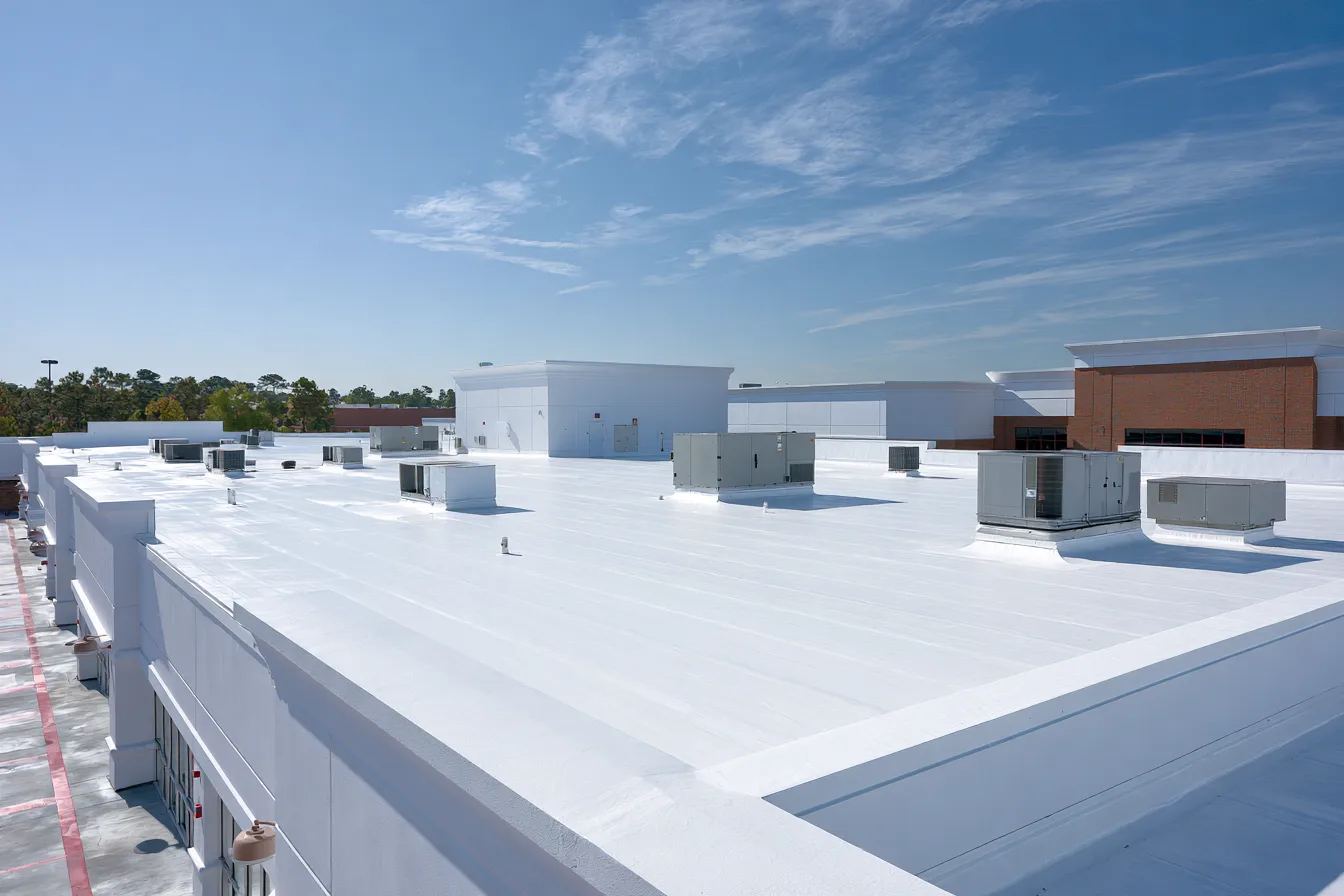
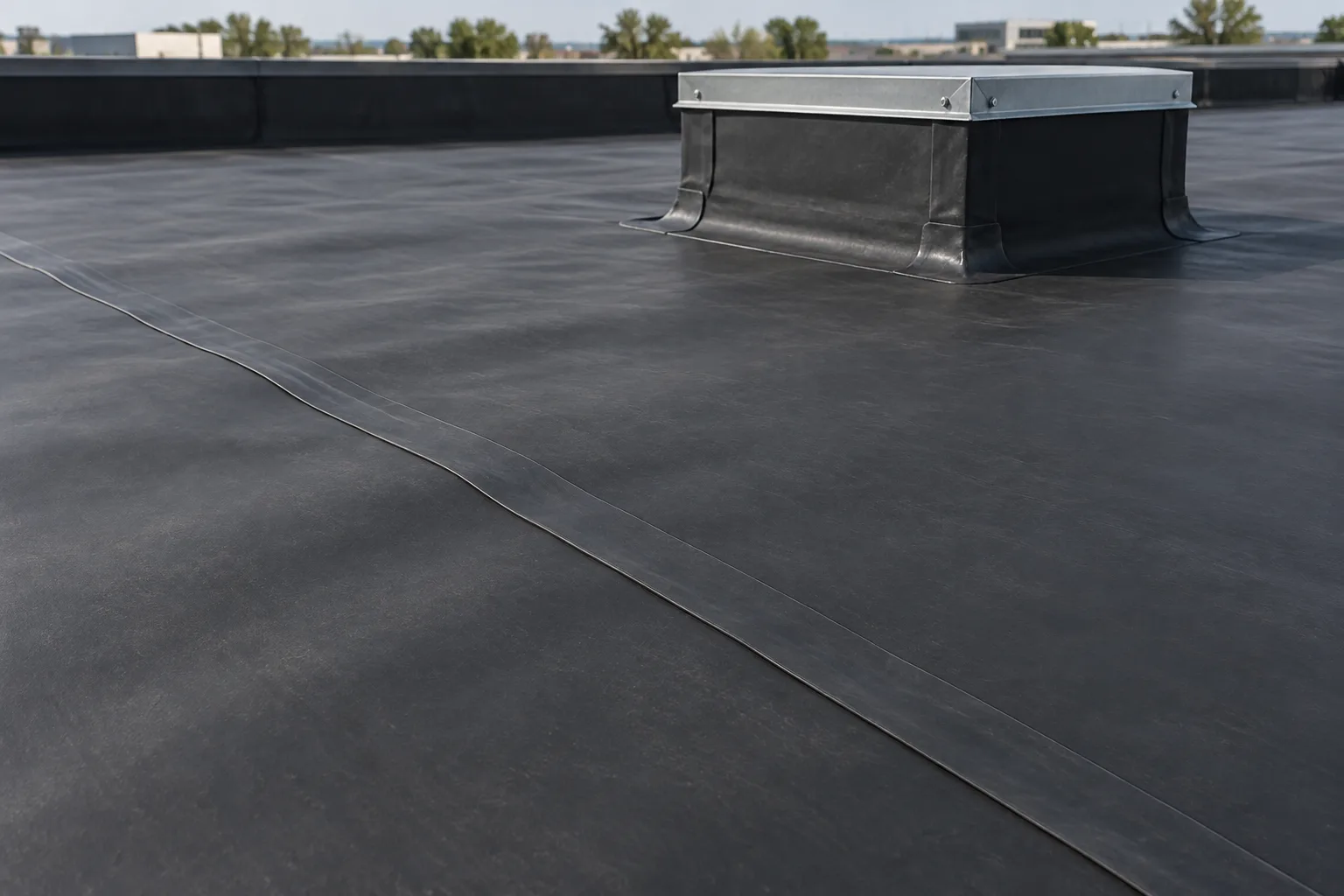
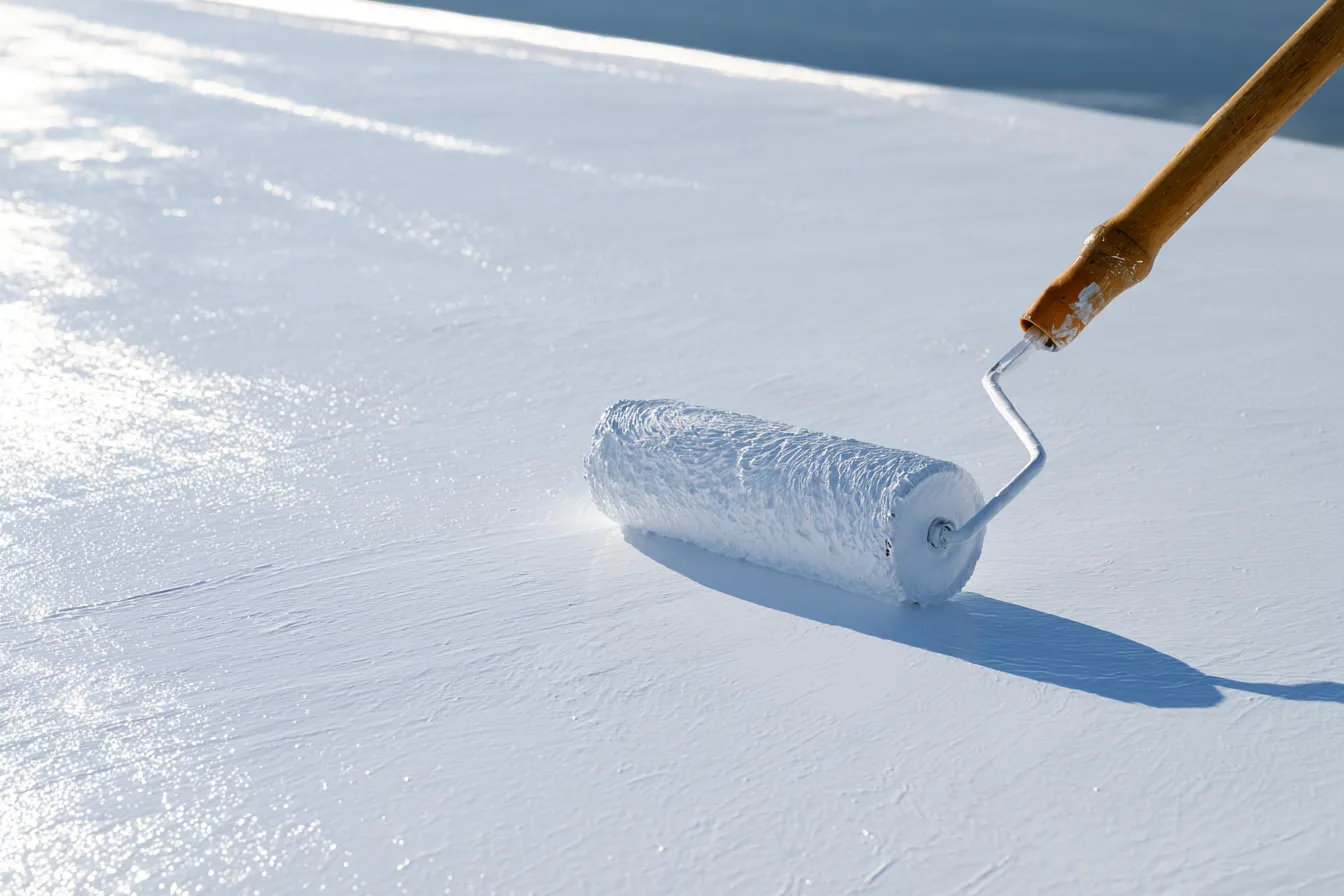
Eligibility, preparation and limits of a new protective surface.
Explore Roof Coatings and Restoration| Operating need | Roofing decision |
|---|---|
| People and entrances | Work zones, access and material handling must account for occupants and public approaches. |
| Rooftop equipment | Units, drains and service paths influence flashing work, staging and future roof access. |
| Air intakes and processes | Attachment methods, adhesives and the building use affect installation planning. |
| Water-sensitive contents | The leak location and use below it help prioritize temporary protection and sequence permanent work. |
The existing membrane or metal system, attachment and roof history establish the starting point. Suspected moisture below the surface needs investigation.
The extent of sound roof and affected layers separates local repair from restoration or replacement. Drainage corrections are considered as their own physical work.
Access, occupied spaces, equipment trades and project classification are included in the planned sequence. The chosen system and scope determine price and applicable warranty terms.
No. The roof must be suitable for the coating, with sound support and compatible dry material. Open details need repair first, and damaged insulation or decking needs more than a surface coating.
No. A local defect in a sound roof can be repairable. Widespread moisture, deterioration or repeated failures change the replacement discussion.
System, measured area, attachment, insulation, removal, drainage and operating constraints determine the scope. Residential shingle square-foot rates do not price a commercial membrane project.
Tell us the building use, the roofing concern and where it is affecting operations. Start with a free roof inspection.